You Won’t Believe What I Found at Tuscany’s Festival Markets
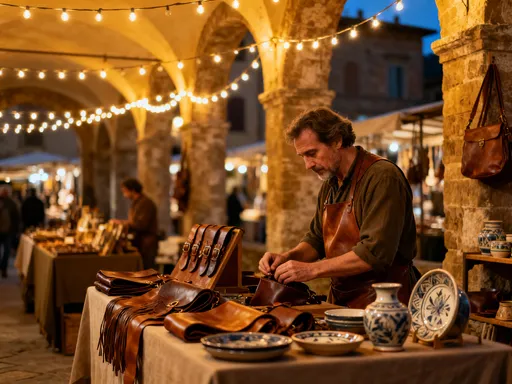
Tuscany isn’t just rolling hills and vineyards—its festival culture hides a shopper’s paradise. I stumbled upon vibrant markets where handmade leather, local ceramics, and artisanal food come alive under string lights and centuries-old arches. These aren’t tourist traps; they’re authentic gatherings bursting with tradition. If you think shopping here is just souvenirs, think again. This is where culture meets craft—and every purchase tells a story. From the scent of fresh olive oil rising from market stalls to the rhythmic tapping of potters shaping clay by hand, Tuscany’s festivals offer more than visual delight. They invite travelers into intimate moments of daily life, where generations-old skills are proudly shared and preserved. What you find here isn’t merely merchandise—it’s memory in the making.
The Heartbeat of Tuscan Festivals: Where Shopping Meets Tradition
In Tuscany, festivals are not staged performances for visitors—they are living expressions of community identity. Across small towns like Siena, Lucca, and Montepulciano, seasonal celebrations transform cobbled piazzas into bustling marketplaces filled with color, sound, and soul. These events often coincide with harvests, religious feast days, or historical reenactments, drawing both locals and curious travelers into a shared rhythm of joy and remembrance. The markets that emerge during these times are deeply rooted in tradition, offering goods that reflect the region’s agricultural abundance and artisanal heritage. Unlike commercial shopping districts, these festival stalls thrive on personal connection: a vendor might explain how her grandmother taught her to weave linen, or a cheesemaker may invite you to taste three variations of pecorino before choosing one.
What sets Tuscan festival markets apart is their integration into daily life. In Lucca, the Festa di San Martino in November brings wine lovers together for sagra-style tastings and chestnut roasting, while artisans sell hand-knit wool scarves and wooden kitchen tools. In Siena, the Palio celebrations go beyond horse racing; surrounding days include craft fairs where each of the city’s historic contrade (districts) displays unique textiles and ceramics. These items are not generic souvenirs but emblems of civic pride, often hand-painted with district symbols and sold by residents who have lived in the neighborhood for decades. The act of shopping becomes an act of participation—an acknowledgment of local values and resilience.
These festivals also play a vital role in sustaining traditional craftsmanship. As mass production dominates global markets, small-scale artisans in Tuscany rely on seasonal fairs to reach audiences willing to value quality over convenience. Many of these creators work alone or in family units, passing down techniques through generations. When travelers buy directly from them, they contribute to cultural preservation in a tangible way. Moreover, the festive atmosphere fosters trust and warmth. A simple conversation about the origin of a hand-stitched apron can evolve into an invitation to visit a nearby vineyard or learn a folk song. This kind of exchange—rooted in respect and curiosity—defines the essence of authentic travel.
Handmade Leather & Craftsmanship: Florence’s Oltrarno District During Artisan Festivals
Florence has long been celebrated as the birthplace of Renaissance art, but its living artistic legacy thrives most visibly in the Oltrarno district, particularly during biannual artisan festivals. Located just across the Arno River from the Duomo, Oltrarno remains one of the last strongholds of authentic Florentine craftsmanship. Here, narrow streets house centuries-old workshops where leatherworkers, goldsmiths, and woodcarvers continue to practice trades passed down through families. During events like the Fiera dell’Artigianato or neighborhood-specific sagre, these artisans open their doors to the public, turning quiet alleys into open-air galleries of tactile beauty.
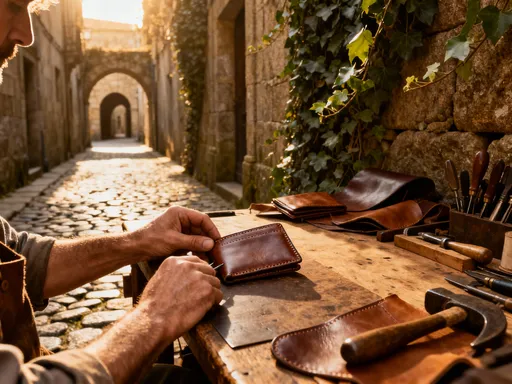
Leather goods are among the most sought-after items at these festivals. Skilled craftspeople demonstrate how vegetable-tanned hides are cut, stitched, and polished using tools that have changed little over the past 200 years. Visitors can watch as a craftsman shapes a notebook cover from a single piece of Tuscan calf leather or embosses a custom monogram onto a passport holder. The prices for such pieces typically range from €30 for a simple cardholder to €100 or more for a structured handbag, reflecting the hours of meticulous labor involved. While this may seem higher than factory-made alternatives, the durability and uniqueness justify the investment. A well-cared-for Oltrarno leather bag can last decades, aging gracefully with use.
One of the most important aspects of shopping in Oltrarno is understanding the culture of value. Bargaining is generally discouraged, as it can be seen as disrespectful to the artisan’s time and skill. Instead, polite inquiry and genuine interest are appreciated. A simple “Com’è fatto?” (“How is it made?”) often leads to a detailed explanation of the tanning process or stitching method, deepening the shopper’s appreciation. To distinguish authentic handmade items from mass-produced imports, look for subtle imperfections—slight variations in color, hand-stitching irregularities, or natural grain patterns. Labels may indicate “made in Italy,” but true provenance lies in the workshop itself. Many artisans proudly display their names and addresses; taking note allows for future orders or recommendations.
Ceramics That Sing: The Pottery Markets of Montelupo and Certaldo
Tuscan ceramics are more than decorative objects—they are vessels of history, painted with motifs that trace back to Etruscan and medieval times. Nowhere is this legacy more vibrantly celebrated than in Montelupo Fiorentino, home to the annual Festa della Ceramica, a four-day summer festival that transforms the town into a kaleidoscope of color and creativity. Stalls line the main street, showcasing everything from delicate hand-painted plates to rustic terracotta planters. Artisans work on-site, demonstrating the traditional gran fuoco technique, where designs are painted onto bisqueware before a single high-temperature firing locks in the colors permanently.
The visual language of Tuscan pottery is rich with symbolism. Common patterns include sunbursts, grapevines, and stylized animals, each carrying regional significance. In Certaldo, another town renowned for its ceramics, the medieval market held during the Sagra del Chianti features potters from across the province. Their wares often incorporate local clays, giving the finished pieces a warm, earthy tone distinct from industrial ceramics. Shoppers can find functional items like oven-safe baking dishes, espresso cups, and olive oil cruets, all designed for everyday use. These are not fragile museum pieces but durable companions for the kitchen, meant to be touched, used, and passed down.
For travelers interested in purchasing ceramics, timing is key. Weekend mornings offer the best experience, allowing ample time to browse, observe demonstrations, and engage with artisans before crowds peak in the afternoon. Most vendors accept cash, though some larger stalls may have card readers. For heavier or fragile items, shipping services are often available through local post offices or courier partners; many artisans assist with packaging and documentation. When selecting pieces, consider both aesthetics and utility. A hand-painted platter makes a striking centerpiece, while a set of salt cellars ensures lasting use. Look for markings indicating authenticity, such as the town’s name or the artisan’s signature, often discreetly placed on the underside.
Edible Treasures: Truffle Fairs, Olive Oil Tastings, and Local Delicacies
No exploration of Tuscan festival markets is complete without indulging in the region’s edible riches. While Tuscany is not the primary home of the Alba White Truffle, its proximity to Piedmont means many Tuscan producers participate in national truffle fairs, and local events in towns like San Giovanni d’Asso feature their own prized white truffles. These rare fungi, unearthed with the help of trained dogs, are sold in small, carefully labeled containers, with prices reflecting rarity—often exceeding €300 per 100 grams. Though costly, even a sliver can elevate a simple dish of eggs or risotto, making it a cherished gift for food lovers.
Beyond truffles, olive oil stands as a cornerstone of Tuscan culinary identity. Autumn festivals across Chianti villages often center around the new oil harvest, known as olio nuovo. At these events, producers invite visitors to taste freshly pressed oil drizzled over toasted bread rubbed with garlic—a ritual known as bruschetta alla fiorentina. The flavor is bright, peppery, and green, a far cry from aged or imported versions. Look for bottles labeled DOP (Denominazione di Origine Protetta), which guarantees origin and quality standards. A 500ml bottle typically costs between €15 and €25, depending on the estate and harvest yield.
Other delicacies commonly found at food-focused festivals include wild boar salami, aged pecorino cheese, and saffron harvested in the Crete Senesi region. Vendors often provide samples, allowing shoppers to compare textures and flavors before buying. When purchasing perishable goods, ask about shelf life and storage recommendations. Most cured meats and cheeses travel well if wrapped properly, while truffles should be used within days unless preserved. For international travelers, vacuum sealing is recommended, and customs regulations should be checked in advance. Many markets offer gift boxes that combine multiple products—ideal for sharing the taste of Tuscany with friends and family back home.
Hidden Vintage & Secondhand Gems: Scouring Festival Bazaars Off the Beaten Path
Away from the polished stalls of central markets lie another kind of treasure: the vintage bazaars that spring up during local sagre in towns like Pistoia, Cortona, and Sovicille. These flea markets, often organized by community groups or charitable associations, feature secondhand goods curated from attics, cellars, and estate sales. Unlike commercial antique shops, these stalls exude charm through imperfection—linen tablecloths with hand-embroidered corners, mid-century glassware with soft amber tones, or woolen sweaters knitted by hand.
What makes these finds special is their connection to everyday Tuscan life. A vintage apron might still carry the faint scent of rosemary from years of kitchen use; an old schoolbook could contain penciled notes in elegant Italian script. These objects tell quiet stories of domestic routines, seasonal rhythms, and family gatherings. For travelers seeking meaningful mementos, such items offer a deeper resonance than mass-produced souvenirs. They represent sustainability in action—giving new life to objects that might otherwise be discarded.
To succeed in these markets, strategy matters. Arriving early—ideally between 8:00 and 9:30 a.m.—increases the chances of finding standout pieces before popular items sell out. Cash is essential, as digital payments are rarely accepted. Focus on textiles like silk scarves, cotton dresses, and handwoven baskets, which are lightweight and easy to pack. Inspect items for stains or damage, but don’t dismiss minor flaws—they often add character. Some vendors specialize in kitchenware, offering copper pots, ceramic mortars, or wooden rolling pins perfect for recreating Tuscan recipes at home. Prices are typically modest, ranging from €5 for small accessories to €40 for larger items like vintage suitcases or framed artwork.
Navigating the Markets: Practical Tips for Smart Festival Shopping
To make the most of Tuscan festival markets, preparation is essential. Begin by packing a few key items: a foldable reusable shopping bag, small denomination bills (€5, €10, €20), and a small notebook for recording vendor details or recipe tips. Since many vendors operate on a cash-only basis, having enough euros on hand prevents missed opportunities. ATMs are available in larger towns, but lines can be long during peak festival hours, so withdrawing in advance is advisable.
Timing also plays a crucial role. Late morning to early afternoon—roughly 10:30 a.m. to 2:00 p.m.—is the ideal window for shopping. By then, all stalls are open, and the morning rush has settled, allowing for relaxed browsing. Mornings also offer better lighting for evaluating colors in ceramics or textiles. If attending a large festival, wear comfortable shoes; many markets span multiple streets or piazzas, requiring significant walking on uneven surfaces.
Transportation varies by location. Regional buses connect major towns and are an affordable, eco-friendly option. In smaller villages, bike rentals allow for flexible exploration while reducing environmental impact. Some festivals provide shuttle services from nearby train stations, especially during peak seasons. Always check local tourism websites or visitor centers for updated schedules.
When interacting with vendors, politeness opens doors. A simple “Buongiorno” followed by a smile goes a long way. If photographing a stall or artisan at work, always ask permission first—many appreciate the interest but prefer control over their image. Returns are rarely accepted at festival stalls, so examine items carefully before purchasing. For fragile goods, request extra padding or carry them in a separate bag. Finally, keep receipts when possible, especially for higher-value purchases, as they may be needed for customs or insurance purposes.
Why This Experience Changes How You Travel
Shopping at Tuscan festival markets does more than fill suitcases—it transforms the way we travel. Instead of rushing from landmark to landmark, visitors slow down, engage, and connect. Each transaction becomes a micro-story: the potter who shares her family’s glazing secret, the cheesemaker who remembers your name from last year’s festival, the grandmother selling hand-embroidered napkins just like the ones she made for her daughter’s wedding. These moments shift the focus from consumption to communion.
In an era of fast tourism and digital detachment, these festivals offer a return to authenticity. They remind us that culture is not something to be observed from a distance but lived, touched, and carried forward. By choosing to support local artisans and farmers, travelers become stewards of tradition, helping to sustain communities that might otherwise fade beneath the weight of globalization. The souvenirs we bring home—whether a leather journal, a ceramic bowl, or a jar of golden olive oil—are not mere objects. They are tokens of presence, proof that we were there, that we listened, that we cared.
Ultimately, the greatest reward of festival shopping in Tuscany is perspective. It teaches us to value slowness, craftsmanship, and human connection. It encourages us to seek out seasonal rhythms in our own travels, aligning trips with local events that reveal the heartbeat of a place. The next time you plan a journey, consider not just where to go, but when. Because the best memories are not found in guidebooks—they bloom in the unexpected corners of a sunlit market, where tradition lives, one handmade piece at a time.