Taste of the Streets: How Melbourne’s Food Culture Wins Every Wanderer’s Heart
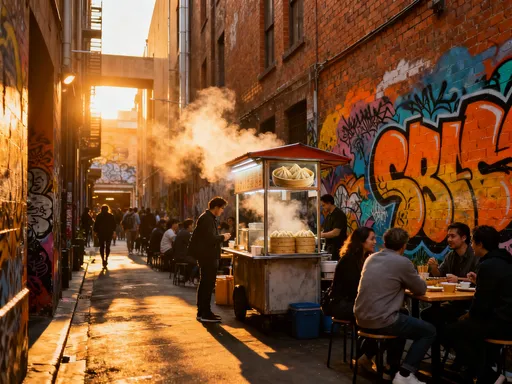
You know that feeling when you stumble on a laneway filled with the smell of sizzling dumplings and freshly ground coffee? That was me in Melbourne—no map, no plan, just pure hunger and curiosity. I never expected a city’s soul could be found in a $12 vegan taco or a hidden espresso bar under a graffiti-covered staircase. This is insane, real-deal food culture, born from wandering and wonder. Melbourne doesn’t serve meals; it offers moments—steamed bao bursting with hoisin glaze, flaky spanakopita fresh from a family oven, a perfectly pulled flat white that tastes like morning itself. Here, every bite tells a story of migration, passion, and the quiet art of slowing down. This is not just eating. This is connection.
The Art of Wandering: Why Getting Lost in Melbourne Feels So Right
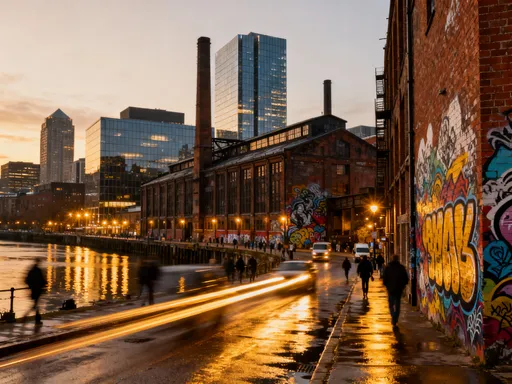
Melbourne invites you to get lost—and not in a confusing, stressful way, but in the kind of gentle disorientation that leads to discovery. The city’s grid layout appears orderly at first glance, but beneath its surface lies a labyrinth of narrow laneways, each one a portal to something unexpected. These alleyways, often no wider than a sidewalk, are where the city’s culinary magic begins. Painted with vibrant murals, strung with fairy lights, and humming with the clatter of kitchen pans, they defy the need for GPS. Wandering without a destination isn’t a mistake here—it’s the best strategy.
There’s a psychology behind this kind of slow travel. When you remove the pressure of ticking off landmarks, your senses sharpen. You notice the scent of toasted sesame oil drifting from a basement kitchen. You hear the hiss of a wok seconds before spotting a handwritten sign for dan dan noodles. You follow a line of locals snaking down a stairwell and find a coffee cart serving single-origin brews in repurposed takeaway cups. These moments don’t happen on itineraries. They happen when you allow yourself to be present, to walk without urgency, and to let curiosity lead.
Melbourne’s urban design supports this experience. Wide footpaths, tree-lined boulevards, and a reliable tram network make it easy to explore without fatigue. You can hop off at Flinders Street, wander up Degraves Street, dip into Centre Place, and emerge near Chinatown without ever needing a car. Public transport isn’t just functional—it’s part of the rhythm of discovery. The city’s compact core means that even a two-hour stroll can take you through multiple neighborhoods, each with its own flavor and feel. This walkability is not accidental; it’s intentional, fostering a culture where exploration is accessible to everyone, from solo travelers to families with strollers.
Moreover, the act of wandering builds a deeper connection to place. When you rush from one attraction to the next, you remain a spectator. But when you meander, you become part of the scene. A barista remembers your order. A vendor hands you a sample of house-made chili oil. You return to the same dumpling stall three days in a row because the owner waves you over with a smile. These small interactions, born from unhurried movement, transform a visit into a lived experience. In Melbourne, getting lost isn’t about being directionless—it’s about being open.
Coffee Culture Deep Dive: More Than Just a Flat White
If there’s one ritual that defines Melbourne’s daily rhythm, it’s coffee. This isn’t the kind of city where people grab a generic brew on the way to work. Here, coffee is treated as both craft and culture. From the moment the first light hits the laneways, baristas are at work—tamping espresso shots, steaming milk to silky perfection, and serving drinks with quiet pride. The flat white may be the signature order, but the experience goes far beyond the cup. It’s about the care, the consistency, and the community that forms around the coffee ritual.
Melbourne’s coffee obsession has roots that stretch back decades. Italian migrants brought espresso machines and café traditions in the mid-20th century, laying the foundation for what would become a citywide passion. Today, the city boasts hundreds of independent roasteries, many of which source beans directly from farms in Ethiopia, Colombia, and Guatemala. These small-batch roasters experiment with fermentation, altitude, and roast profiles, treating coffee like wine—with terroir, complexity, and story. A visit to a specialty café isn’t just about caffeine; it’s a sensory journey.
What sets Melbourne apart is the barista culture. These aren’t just employees; they’re artisans who train for months, mastering latte art and dialing in grinders to the exact gram. Many work in tiny spaces—no bigger than a walk-in closet—yet produce drinks of astonishing quality. The respect for the craft is evident in the quiet focus behind the counter and the way customers linger at shared tables, reading books or sketching in notebooks. Coffee shops here aren’t transactional; they’re communal. They serve as unofficial offices, meeting spots, and quiet refuges all at once.
The influence of coffee extends beyond the cup. It shapes the city’s pace. Melbourne doesn’t rush. It sips. You’ll see people standing at high-top counters for twenty minutes, savoring a single espresso. You’ll find cafés opening at 6:30 a.m. and staying busy until noon, not because of volume, but because of engagement. And you’ll notice that many of the best food discoveries begin with a coffee stop. A barista might recommend a nearby Vietnamese pho joint. A customer might mention a new Middle Eastern bakery down the street. In this way, coffee acts as a connector—between people, places, and flavors.
Laneways as Kitchens: The Hidden Eateries You Gotta Check Out
Step into any of Melbourne’s laneways, and you’re likely to find more than art and coffee—you’re stepping into an open-air kitchen. These narrow passages, once forgotten service corridors, have been transformed into culinary hotspots where innovation thrives in tight spaces. From converted shipping containers to basement kitchens with no signage, these hidden eateries serve some of the most memorable food in the city. They are proof that great flavor doesn’t require grand spaces or polished interiors.
Take, for example, the rise of Asian-fusion stalls. In Hosier Lane and AC/DC Lane, you’ll find vendors serving bao buns stuffed with slow-braised pork belly, pickled vegetables, and hoisin sauce. The steam rises in wisps as orders are called out in rapid succession. Nearby, a tiny stand might specialize in hand-pulled ramen, the broth simmered for 18 hours and served with a soft-boiled egg that oozes golden yolk. These dishes aren’t watered down for Western palates—they’re bold, authentic, and deeply satisfying.
Equally vibrant are the Mediterranean-inspired spots tucked into side alleys. A hole-in-the-wall in Hardware Lane might serve halloumi fries drizzled with lemon-infused olive oil and fresh mint. Another, hidden beneath a staircase in Union Lane, could offer Turkish gözleme—hand-stretched dough filled with spinach and feta, cooked on a griddle until crisp. These are not fusion experiments for trend’s sake; they are expressions of real culinary traditions, adapted to the pace and spirit of city life.
Dessert lovers aren’t left out. Matcha soft serve swirls into cones at a neon-lit cart in Presgrave Place. A retrofitted van in Tattersalls Lane sells salted caramel doughnuts with a crunch that gives way to molten center. These treats aren’t afterthoughts—they’re destinations in their own right. What unites all these laneway kitchens is accessibility. Prices are reasonable, portions are generous, and the vibe is inclusive. You don’t need a reservation. You don’t need to dress up. You just need to be hungry and willing to explore.
Immigrant Flavors: How Global Communities Built a Food Paradise
Melbourne’s food scene didn’t emerge from a marketing campaign—it was built by generations of immigrants who brought their recipes, traditions, and love for home-cooked meals. The city’s culinary identity is a mosaic, each piece representing a community that found a new beginning in Australia. From the fragrant pho stalls of Footscray to the bustling espresso bars of Carlton, food is how these cultures share their stories.
The Vietnamese community, one of the largest in the country, has deeply shaped Melbourne’s palate. In suburbs like Richmond and Springvale, family-run restaurants serve bowls of pho so rich and aromatic they feel like comfort made edible. Lemongrass, star anise, and charred ginger simmer for hours in broths that are both light and deeply flavorful. These dishes are more than meals—they are acts of preservation. Grandmothers teach daughters how to roll rice paper for fresh summer rolls. Recipes are passed down not in cookbooks, but through memory and repetition.
Similarly, the Italian influence is impossible to miss. In Carlton, once known as Melbourne’s Little Italy, you’ll find bakeries selling sfogliatelle with crisp, flaky layers and cafes where espresso is pulled with the same care as in Naples. Italian-Australians didn’t just bring pasta and pizza—they brought a philosophy of food as connection. Meals are long, wine flows freely, and every gathering revolves around the table. This legacy lives on in modern trattorias and backyard winemakers alike.
The Greek community has left its mark in suburbs like Oakleigh, where souvlaki shops grill marinated meats over open flames and bakeries fill with the scent of spanakopita. Ethiopian restaurants in Footscray serve injera with stews of lentils and spiced beef, meant to be eaten by hand from a shared platter. Each bite is an invitation to participate in a tradition. These eateries are often modest in appearance—no neon signs, no flashy interiors—but they draw loyal crowds because authenticity speaks louder than décor.
Supporting these small, family-run businesses isn’t just about good food—it’s about honoring the labor and love behind every dish. When you eat at a migrant-owned restaurant, you’re not just a customer; you’re a witness to resilience and adaptation. You’re helping keep a culture alive, one meal at a time.
Market Magic: Queen Vic, Night Noodles, and Weekend Feasts
No exploration of Melbourne’s food culture is complete without a visit to its markets—living, breathing spaces where the city comes together to eat, shop, and celebrate. At the heart of it all is the Queen Victoria Market, a heritage-listed site that has been feeding Melburnians since 1878. Spanning five city blocks, it’s a sensory overload in the best possible way. The air is thick with the smell of roasting nuts, fresh seafood, and warm damper bread. Stalls overflow with seasonal produce—plump peaches, heirloom tomatoes, bunches of wild herbs.
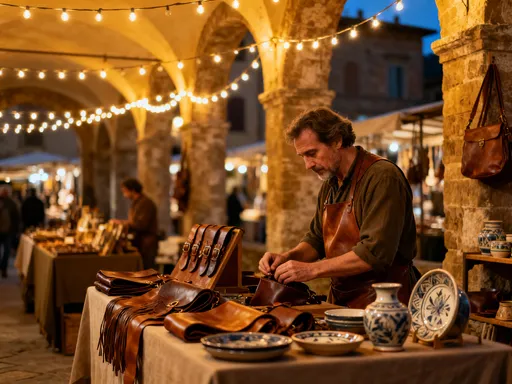
But the real magic happens in the deli and food halls. Here, you’ll find third-generation cheesemongers slicing sharp cheddars, Greek vendors offering olives by the kilo, and butchers carving slow-roasted meats. The market is a place of tradition, yes, but also innovation. Modern vendors sell vegan croissants, cold-pressed juices, and Middle Eastern spice blends in reusable jars. It’s a blend of old and new that reflects the city itself.
For a more festive vibe, the Night Noodle Market is a must. Held seasonally in Carlton Gardens, it transforms the park into a lantern-lit feast of pan-Asian flavors. You’ll find everything from Thai boat noodles to Japanese takoyaki, Malaysian satay to Korean fried chicken. The atmosphere is lively—families spread picnic blankets, friends share skewers, and children chase bubbles between stalls. It’s food as celebration, accessible and joyful.
To make the most of these markets, timing matters. Queen Vic is busiest on weekends, especially Saturday mornings, when brunch lines snake around corners. Going early—between 8 and 10 a.m.—means shorter queues and fresher picks. Cash is still preferred at many small stalls, though contactless payments are becoming more common. A reusable bag is essential, both for carrying purchases and reducing waste. And don’t be afraid to ask questions. Vendors love to share tips—how to pick the ripest mango, the best way to store fresh herbs, or their personal favorite dish.
Beyond the Plate: Food Experiences That Surprise and Delight
In Melbourne, food is not just consumed—it’s experienced. The city offers a growing number of immersive activities that go beyond the meal. Food tours, led by local guides, take small groups through hidden alleys and neighborhood gems, offering tastings and stories along the way. These aren’t rushed sightseeing stops; they’re deep dives into culture, history, and flavor. You might learn how dumplings are folded by hand, or why certain spices are used in Ethiopian cooking.
Cooking classes with migrant chefs are another way to connect. In community centers and private kitchens, women and men share recipes from their homelands—teaching how to make handmade pasta, ferment kimchi, or balance the flavors of a Thai curry. These classes are more than lessons; they’re conversations. Participants ask about family traditions, migration stories, and what it means to cook far from home. The result is not just a new skill, but a deeper empathy.
Pop-up dinners are another highlight. Held in warehouses, rooftops, or abandoned factories, these events turn unexpected spaces into fine-dining experiences. Menus are often collaborative, blending techniques from different cultures. One night might feature a Japanese-Peruvian fusion tasting menu; another could pair native Australian ingredients with French technique. These events are ticketed and often sell out, but they offer a unique way to see how Melbourne’s chefs are pushing boundaries.
The annual Melbourne Food and Wine Festival is the crown jewel of the culinary calendar. For three weeks each autumn, the city becomes a stage for tastings, workshops, long-table dinners, and farm visits. It’s a chance to meet producers, sample rare vintages, and taste dishes you won’t find anywhere else. Whether you’re a seasoned foodie or a curious beginner, the festival offers something meaningful. It reminds us that food is not just fuel—it’s art, heritage, and connection.
Wandering with Purpose: How to Eat Like a Local (Without Trying Too Hard)
So how can you, as a visitor, tap into this rich food culture without feeling like an outsider? The answer is simpler than you might think: walk, observe, and follow the locals. Start in the central business district and let yourself drift. Begin with a coffee in Degraves Street, then follow the scent of spices into Chinatown. Walk up Lygon Street for a slice of Italian-Australian life, then loop back through the Queen Victoria Market for a midday snack.
Portion sizes in Melbourne are often generous, so consider sharing. Split a plate of dumplings, order two small dishes instead of one large one, and save room for dessert. This isn’t just practical—it’s social. Sharing food invites conversation and slows the pace of the meal. And don’t mind the queues. A line outside a food truck or bakery is usually a good sign. Use the wait to chat with fellow diners, compare recommendations, or simply watch the city go by.
Embrace the idea that the best meals happen off-script. Skip the tourist apps for once. Let a mural lead you to a hidden café. Accept a sample from a market vendor. Say yes to the dish you can’t pronounce. These small acts of openness are what turn a trip into a memory. Melbourne doesn’t reward rigid planning—it rewards curiosity.
In the end, food is the true language of travel. It transcends accents and itineraries. It connects us through flavor, memory, and shared humanity. In Melbourne, every bite is an invitation—to slow down, to savor, to belong. So put down the map. Follow your nose. And let the streets feed your soul.