What Nobody Tells You About Sydney’s Cultural Scene
Sydney isn’t just about the Opera House and harbour views—its cultural heartbeat runs deeper. I once thought attending a local festival or visiting a gallery was enough to "get" the city’s soul. But I was wrong. Tourists often miss the real stories, stumble into overhyped events, or unknowingly disrespect traditions. From misunderstood Aboriginal experiences to generic dance performances passed off as authentic, the pitfalls are real. This is your honest guide to navigating Sydney’s cultural activities without falling into the tourist trap.
The Glamour vs. the Ground Truth of Sydney’s Cultural Identity
Sydney is often portrayed as a glittering coastal metropolis defined by its iconic skyline and postcard-perfect beaches. While these images are undeniably striking, they only capture a fraction of the city’s true identity. The glossy brochures and curated travel blogs tend to emphasize visual appeal over depth, reducing culture to photo opportunities rather than lived experiences. For many visitors, a trip to the Sydney Opera House or a ferry ride across the harbour becomes the sum total of their cultural engagement. But real cultural understanding requires stepping beyond the polished surface and embracing the complexity that lies beneath.
The truth is that Sydney’s cultural richness stems not from its landmarks alone, but from the mosaic of communities that call it home. Over 300 languages are spoken across the city, and nearly half of all residents were born overseas. This diversity fuels a dynamic cultural ecosystem—one that thrives in neighborhood halls, community theaters, and backyard festivals far from the tourist trail. Places like the Casula Powerhouse Arts Centre in Western Sydney or the Blacktown Arts Centre showcase work rooted in local narratives, often reflecting the experiences of migrant families, Indigenous voices, and intergenerational stories that rarely make international headlines.
When culture is reduced to sightseeing, it loses its authenticity. A photo taken in front of a mural means little if the viewer doesn’t understand the history behind it. Watching a dance performance without knowing its origins turns art into mere entertainment. To truly connect with Sydney, travelers must shift from passive observation to active learning. This means asking questions, listening to local voices, and recognizing that culture is not a static display but a living, evolving expression of identity. The most meaningful experiences are often found not in crowded venues, but in quiet conversations with artists, elders, and everyday residents who shape the city’s soul.
Aboriginal Culture: Beyond Performances and Souvenirs
At the heart of Sydney’s cultural landscape is the enduring presence of the Aboriginal people, whose connection to this land spans more than 60,000 years. Yet for many tourists, engagement with First Nations culture remains superficial—limited to purchasing boomerangs at gift shops or attending evening performances marketed as “authentic Dreamtime experiences.” While these offerings may seem educational, they often lack genuine community involvement and can perpetuate stereotypes when divorced from context. True cultural respect begins with understanding that Aboriginal heritage is not a performance for visitors, but a living tradition grounded in knowledge, law, and deep spiritual connection to Country.
One of the most meaningful ways to engage with Aboriginal culture is through guided experiences led by local custodians. Organizations such as Royal Botanic Garden Sydney offer Aboriginal Heritage Tours, where knowledgeable guides share stories about native plants, traditional tools, and the significance of sacred sites within the city’s landscape. These walks do more than inform—they invite participants to see the urban environment through a different lens, recognizing that even in modern Sydney, ancient knowledge systems continue to thrive. Similarly, the Australian Museum in Darlinghurst houses one of the nation’s most respected collections of Indigenous artifacts, including tools, artwork, and ceremonial objects, accompanied by narratives written in collaboration with Aboriginal communities.
Travelers should approach cultural offerings with discernment. Events that feature dance or storytelling should ideally be hosted or endorsed by local Aboriginal groups, ensuring that profits and representation remain within the community. Commercial shows that promise “ancient secrets” or use spiritual concepts out of context often exploit cultural elements for profit without contributing to the people they claim to represent. Instead of seeking spectacle, visitors are encouraged to support initiatives like the Yerrabingin First Nations rooftop garden in Eveleigh, which combines traditional land management with urban sustainability, or the annual Yabun Festival held on January 26—a day of celebration, protest, and cultural pride organized entirely by Aboriginal and Torres Strait Islander peoples.
Festivals: Picking the Real from the Rehearsed
Festivals are often seen as windows into a city’s cultural spirit, and Sydney hosts some of the largest in Australia. Events like Vivid Sydney, with its dazzling light installations and music program, draw hundreds of thousands each winter. The Sydney Festival, held every January, fills theaters, parks, and public spaces with performances ranging from contemporary dance to spoken word. While these events offer impressive production value, they also reflect a growing tension between artistic authenticity and commercial appeal. As corporate sponsorships increase, so does the risk of programming decisions favoring broad appeal over cultural depth. For the mindful traveler, distinguishing between spectacle and substance becomes essential.
Vivid Sydney, for example, features stunning visuals along the harbour foreshore, but many of the smaller installations are created by international design firms rather than local artists. The music lineup often highlights well-known acts rather than emerging voices from Sydney’s diverse communities. That said, opportunities for authentic engagement do exist—particularly in side programs such as talks, workshops, and neighborhood-based light trails in areas like Chippendale or Barangaroo. These quieter moments allow visitors to interact with creators, learn about their inspirations, and appreciate the ideas behind the art. Checking the festival’s official program for artist bios and community collaborations can help identify events rooted in local expression.
For a more intimate experience, travelers should explore smaller, community-led festivals that occur throughout the year. In Redfern, the annual Blak Markets celebrate Aboriginal entrepreneurship, art, and food, offering direct access to creators and storytellers. Newtown Festival transforms the inner-west suburb into a vibrant street party showcasing local musicians, artisans, and activists. These events are not designed for mass tourism; they emerge from neighborhood pride and cultural exchange. Attendance feels personal, conversations happen naturally, and the sense of belonging is palpable. By prioritizing such gatherings over large-scale productions, visitors gain a richer, more respectful understanding of Sydney’s cultural fabric.
The Hidden World of Street Art and Urban Expression
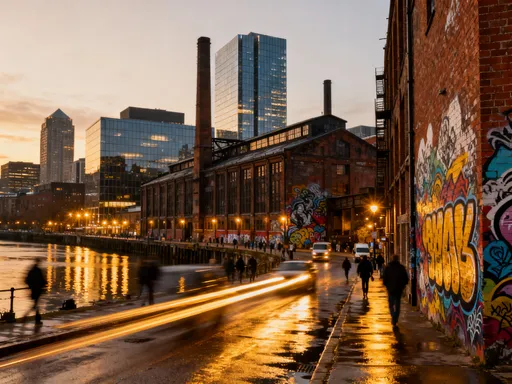
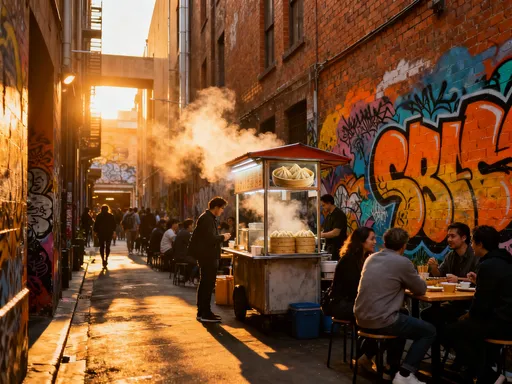
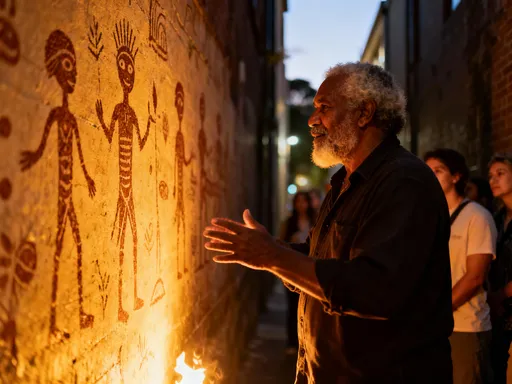
Wander through the laneways of Newtown, Surry Hills, or Chippendale, and you’ll find that Sydney’s walls tell stories no museum can fully capture. Street art here is more than decoration—it’s a form of public dialogue, reflecting social issues, political movements, and cultural identity. Murals honor lost leaders, protest injustice, celebrate LGBTQ+ visibility (while remaining within respectful boundaries), and pay tribute to migrant communities. Unlike gallery art, which often requires admission and interpretation, street art is freely accessible, constantly evolving, and deeply embedded in the neighborhoods it inhabits. Yet too often, visitors treat these works as mere backdrops for photographs, missing the messages embedded in color, symbolism, and location.
To appreciate street art beyond aesthetics, context is crucial. A mural depicting an Aboriginal elder may reference land rights struggles; a stencil of a worker in hard hat could commemorate industrial history in an area once dominated by factories. Self-guided walks using digital maps or community-produced guides can enhance understanding, but even better are tours led by local artists or cultural workers who explain the significance behind specific pieces. Some organizations offer ethical street art tours that emphasize respect—discouraging graffiti tagging, promoting awareness of private property, and highlighting artists who contribute positively to community identity.
It’s also important to recognize that street art exists in a legal gray zone. While many murals are commissioned or tolerated, others are unsanctioned expressions of dissent. Visitors should avoid touching or defacing artwork, even unintentionally, and refrain from treating these spaces like amusement parks. The most powerful moments come not from taking pictures, but from pausing, reading the messages, and considering how art reflects the concerns and hopes of everyday Sydneysiders. When approached with mindfulness, street art becomes a gateway to empathy, offering insight into struggles and celebrations that shape urban life.
Live Music and Theatre: Finding Authentic Voices
Sydney’s performing arts scene is often associated with grand venues like the Capitol Theatre or the State Theatre, where international musicals and touring productions dominate the schedule. While these shows offer high production quality, they often lack local flavor, relying on familiar scripts and global franchises. For travelers seeking genuine cultural connection, the real magic happens in smaller, independent spaces—intimate pubs, community halls, and fringe theaters where emerging artists experiment, share stories, and reflect the city’s multicultural reality. These grassroots venues may not have glittering marquees, but they pulse with authenticity and creative risk.
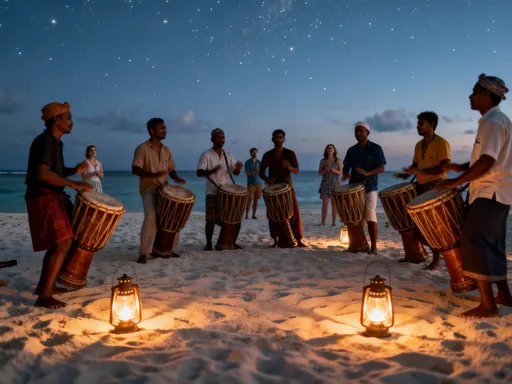
Areas like Marrickville, Enmore, and Glebe host regular live music nights featuring genres rarely heard in mainstream circuits—Polynesian drumming, Persian classical music, Filipino folk songs, and West African rhythms. Venues such as the Vanguard in Newtown or the Factory Theatre in Marrickville regularly book local bands and multicultural ensembles, offering audiences a chance to experience music shaped by migration, memory, and hybrid identity. Unlike commercial concerts, these performances often include storytelling, audience interaction, and cultural explanations, creating a space for mutual learning and appreciation.
Theatre, too, flourishes outside the spotlight. Independent companies like Belvoir St Theatre and Griffin Theatre Company prioritize new Australian writing, often centering on themes of displacement, family, and social change. Productions may be performed by actors from refugee backgrounds, explore intergenerational trauma, or challenge dominant narratives about national identity. Tickets are typically more affordable than those for West End-style shows, and the atmosphere is conversational rather than formal. By choosing to attend these performances, travelers do more than enjoy entertainment—they support artists who are shaping the city’s cultural future and contributing to a more inclusive artistic landscape.
Food as Culture: More Than Just a Meal
In Sydney, dining is one of the most accessible and joyful ways to engage with culture. The city’s culinary landscape mirrors its demographic diversity, offering everything from Lebanese mezze in Lakemba to Vietnamese pho in Cabramatta and Greek tavernas in Marrickville. Each dish carries history—stories of migration, adaptation, and resilience. A plate of dumplings in Strathfield might reflect decades of Korean settlement, while a spiced lamb pie in a suburban bakery could trace back to Lebanese immigrants who brought their recipes to Australian ovens. Food becomes a language of belonging, a way for communities to preserve identity and welcome others into their world.
Yet not all dining experiences are equally meaningful. Restaurants in tourist-heavy areas like Circular Quay or Darling Harbour often serve watered-down versions of ethnic cuisines, designed for broad palates rather than authenticity. These establishments may use imported ingredients, generic menus, and stereotypical decor, stripping dishes of their cultural context. To eat with intention, visitors should venture into residential neighborhoods where families run eateries passed down through generations. In Auburn, a visit to a family-owned Afghan grill offers more than kebabs—it opens a conversation about hospitality, tradition, and the role of food in community life.
Food tours led by local residents provide an even deeper connection. Operators such as Sydney Food Tours or Migrant Food Tours offer guided walks through multicultural suburbs, pairing tastings with personal stories about migration, home, and cultural preservation. Participants might learn how a Sri Lankan mother adapted her curry recipe using local spices, or how a Vietnamese grandmother taught her grandchildren to make spring rolls during a time of upheaval. These moments transform eating from consumption into connection, reminding us that every meal holds a story worth hearing. By choosing to dine locally and listen closely, travelers honor the people behind the food and contribute to sustainable, community-based tourism.
How to Be a Culturally Mindful Traveler in Sydney
Engaging with Sydney’s culture is not about checking off attractions, but about cultivating awareness, humility, and respect. The most impactful experiences come not from rushing between sites, but from slowing down, observing, and listening. Before arriving, travelers can research the traditional custodians of the land—such as the Gadigal people of the Eora Nation—and learn basic acknowledgments used in public events. Understanding that place names, customs, and histories carry deep significance fosters a more thoughtful approach to exploration.
Supporting community-led initiatives is another powerful way to travel responsibly. Whether attending a local art exhibition, buying directly from Aboriginal artists, or dining at a family-run restaurant, every choice has an impact. Prioritizing small businesses and independent creators ensures that tourism benefits residents rather than distant corporations. Equally important is the willingness to be a guest rather than a consumer—asking permission before photographing people or sacred sites, respecting quiet spaces, and accepting that some cultural knowledge is not meant for outsiders.
Ultimately, Sydney’s culture cannot be fully understood in a single visit, nor should it be. It is not a product to be consumed, but a living, breathing entity shaped by generations of stories, struggles, and celebrations. The most rewarding journeys are those that embrace curiosity without entitlement, that seek connection over convenience, and that leave space for learning. By approaching culture with openness and care, travelers don’t just see Sydney—they begin to feel it, in its rhythms, its voices, and its quiet moments of shared humanity. And in doing so, they honor not just the city, but the people who make it whole.