You Won’t Believe This Secret Natural Wonder in Jordan
Have you ever floated in a sea so salty you can’t sink? The Dead Sea in Jordan isn’t just a destination—it’s a surreal experience. Hidden in the Jordan Rift Valley, this natural wonder defies logic with its ultra-high salinity, mineral-rich mud, and healing reputation. I never expected such peace from a body of water. The silence, the texture of the mud, the way the light dances on the surface—it’s like another planet. This is nature at its most powerful. Floating effortlessly, surrounded by stillness and vast desert landscapes, one feels both humbled and rejuvenated. More than a curiosity, the Dead Sea offers a rare convergence of geology, wellness, and natural beauty that few places on Earth can match. For travelers seeking not just sightseeing but transformation, this is a journey worth taking.
Discovering the Dead Sea: A Firsthand Journey
Arriving at the Dead Sea after a winding drive through Jordan’s arid highlands feels like stepping into another realm. The landscape shifts subtly at first—fewer trees, more exposed rock, and a growing sense of openness. As the road descends deeper into the Jordan Rift Valley, road signs begin to show negative elevations: -300 meters, then -400, until finally reaching the shoreline at approximately -430 meters below sea level, the lowest point on Earth’s surface where humans can stand. The air grows warmer, drier, and carries a faint mineral scent. There’s a stillness here that’s unlike any coastal environment—no waves, no tides, no sound of crashing water. Instead, the surface of the sea lies glassy and undisturbed, reflecting the pale blue sky like a mirror.
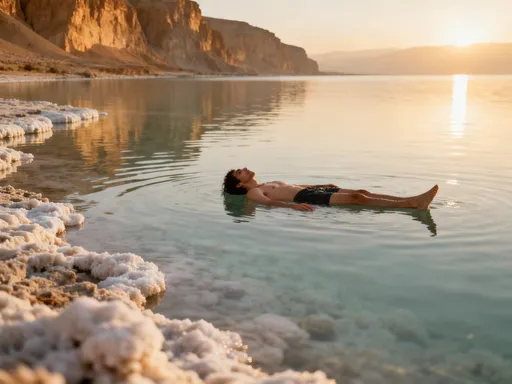
Stepping onto the shore for the first time is an immediate sensory shift. The ground is a mosaic of cracked salt formations and fine, powdery sediment. Walking requires care—slippery patches of wet salt and sharp crystalline edges can catch unprepared feet. But the real astonishment comes upon entering the water. Within seconds, the body begins to rise. There’s no need to tread water or paddle; the extreme buoyancy lifts you effortlessly to the surface. Arms and legs float upward as if pulled by invisible strings. Attempting to swim in the traditional way is not only unnecessary but nearly impossible. The high density of the water resists movement, making conventional strokes awkward and often comical. Laughter is common among first-time visitors, caught between disbelief and delight.
This moment—floating on your back with your nose pointed skyward, arms outstretched, legs bobbing just above the surface—redefines what a sea can be. It’s not a place for swimming, but for surrender. The experience feels less like recreation and more like a gentle embrace from nature itself. For many, especially women managing the physical and emotional demands of family life, this sensation of weightlessness offers rare relief. Muscles relax, breathing slows, and mental chatter quiets. In a world that rarely pauses, the Dead Sea provides a profound invitation to do just that: float, breathe, and simply be.
The Science Behind the Magic: Why the Dead Sea Defies Nature
The Dead Sea’s otherworldly properties are rooted in hard science. With a salinity level of around 34%, it is nearly ten times saltier than average ocean water, which typically measures about 3%. This extreme concentration of dissolved salts and minerals makes it one of the saltiest bodies of water on the planet. The primary reason for this lies in its unique geography. Situated in the Jordan Rift Valley, a tectonic depression formed by the separation of the Arabian and African plates, the Dead Sea has no outlet. Water flows in—mainly from the Jordan River—but cannot flow out. Instead, it evaporates under the intense desert sun, leaving behind concentrated minerals. Over thousands of years, this cycle has created an environment so hostile to life that most organisms cannot survive.
The mineral composition of the Dead Sea is what sets it apart. It contains high levels of magnesium, calcium, potassium, sodium, and bromides—elements known for their beneficial effects on human skin and overall well-being. Magnesium, for example, plays a role in skin barrier function and hydration, while calcium supports cell regeneration. Potassium helps maintain moisture balance, and bromides have a calming effect on the nervous system. These minerals are absorbed through the skin during immersion, contributing to the sea’s long-standing reputation for therapeutic benefits. Scientific studies have supported the use of Dead Sea minerals in managing skin conditions such as psoriasis, eczema, and acne, making it more than just a novelty—it’s a natural resource with measurable health value.
Yet, despite its name, the Dead Sea is not entirely lifeless. Recent research has discovered extremophile microorganisms—microbes adapted to extreme environments—that can survive in its briny waters. These rare forms of life exist in pockets where conditions allow, but they are invisible to the naked eye. For all practical purposes, the sea appears sterile, its surface undisturbed by fish, plants, or even seaweed. This absence of life enhances the surreal quality of the experience. It’s a paradox: a place too harsh for most living things, yet profoundly nourishing for humans. The contrast reminds us that nature’s rules are not universal—what kills one form of life may heal another.
Floating Is Just the Beginning: Unique Experiences You Can’t Miss
While floating is the signature experience, the Dead Sea offers more than passive drifting. One of the most iconic rituals is the application of mineral-rich black mud. Found along the shoreline in thick, clay-like deposits, this dark sediment is packed with the same beneficial minerals found in the water. Visitors scoop it into their hands and spread it across their skin—arms, legs, face, even hair. The texture is cool and smooth at first, then begins to dry under the sun, tightening slightly as it draws out impurities. After 10 to 15 minutes, rinsing off in the buoyant water feels transformative. The skin emerges softer, smoother, and visibly refreshed. Many spas and resorts offer guided mud treatments, but doing it independently on the shore can be just as rewarding, especially for those who enjoy a more personal connection to nature.
Another sensory delight is walking along the salt-crusted edges of the sea. The ground crunches underfoot like snow, a result of evaporated water leaving behind crystalline structures. These salt formations grow larger near the water’s edge, creating surreal, sculptural patterns that catch the light in dazzling ways. Early morning and late afternoon offer the best conditions for photography and quiet reflection, when the sun casts long shadows and golden hues across the water. Midday light can be harsh, but it also reveals the sea’s shimmering, almost metallic surface—a sight that changes with every shift in perspective.
One of the most charming traditions among visitors is reading a newspaper or book while floating. It’s not a myth—it’s entirely possible, thanks to the buoyancy. With arms resting on the water’s surface and the body fully supported, holding a lightweight item is effortless. This small act—reading, journaling, or simply gazing at the sky—becomes a symbol of complete relaxation. For women who spend their days managing households, caring for children, or balancing careers, this moment of undisturbed stillness is rare and precious. The Dead Sea doesn’t demand activity; it invites presence. Whether practicing mindfulness, meditating, or just enjoying the silence, visitors often leave feeling mentally reset as much as physically refreshed.
Choosing the Right Spot: Public vs. Resort Access to the Dead Sea
Not all access points to the Dead Sea are the same, and choosing the right one can significantly shape the experience. There are two main options: public beaches and private resort areas. Public beaches, such as Ein Gedi or the Southern Beach near Neve Zohar, offer affordable entry and a more natural, unstructured environment. These areas are ideal for travelers seeking authenticity and a closer connection to the raw landscape. Facilities are limited—basic changing rooms, restrooms, and sometimes shaded areas—but the trade-off is openness and space. Because these sites are less developed, they often attract fewer crowds, especially outside peak tourist seasons.
Private resorts, on the other hand, provide a more curated experience. Many luxury hotels along the Dead Sea shoreline maintain their own private beaches, complete with loungers, umbrellas, refreshment services, and professional spa treatments. These areas are well-maintained, with smoothed entry points into the water and staff on hand to assist first-time visitors. While more expensive, they offer comfort and convenience, particularly for families with young children or those with mobility concerns. Some resorts also include access to freshwater pools, saunas, and wellness centers, allowing guests to extend their stay beyond a single visit to the sea.
For families, safety and accessibility are key considerations. Public beaches may have uneven terrain and no lifeguards, so supervision is essential. Resorts typically offer designated shallow areas and non-slip surfaces, making them safer for children. Changing facilities are also more reliable in private settings, which can be important when managing wet clothing and muddy skin. However, those seeking solitude may find the resort environment too structured or crowded. A balanced approach is to visit a public beach early in the morning, when temperatures are cooler and the area is quieter, then retreat to a resort for refreshments and relaxation afterward.
Beyond the Float: Exploring the Surrounding Natural Wonders
The Dead Sea is not an isolated attraction—it’s part of a larger, breathtaking ecosystem. Just a short drive from the shoreline lies the Ein Gedi Nature Reserve, one of Israel’s most beautiful desert oases. This protected area features hiking trails that wind through narrow canyons, past freshwater springs, and alongside seasonal waterfalls. The contrast between the arid salt flats of the Dead Sea and the lush greenery of Ein Gedi is striking. Trails like the David Waterfall route are moderate in difficulty and suitable for most fitness levels, making them accessible to families and casual hikers. Along the way, it’s common to spot ibex and rock hyraxes—small, furry mammals that scamper across boulders with surprising agility.
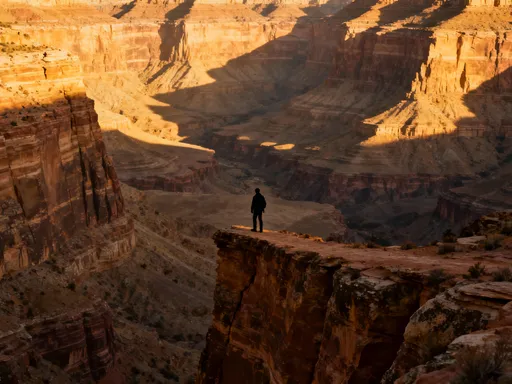
The Judean Desert, which frames the western edge of the Dead Sea, offers dramatic landscapes of red sandstone cliffs, deep ravines, and sweeping vistas. Sunrise and sunset are particularly magical times to explore, when the rock faces glow in warm amber and rose tones. These colors reflect off the still surface of the sea, creating a visual spectacle that feels almost surreal. Some visitors choose to combine a morning float with an afternoon hike, allowing them to experience both the tranquility of the water and the invigoration of desert exploration. The physical contrast—floating weightlessly versus walking on solid, rugged ground—enhances the sense of connection to the natural world.
From an ecological perspective, the region is fragile yet resilient. Despite extreme conditions, life persists in unexpected forms. Hardy desert plants like acacia trees and succulents have adapted to minimal rainfall, while seasonal rains transform dry riverbeds into temporary streams. This delicate balance underscores the importance of responsible tourism. Staying on marked trails, avoiding littering, and respecting wildlife habitats ensures that these natural wonders remain intact for future generations. The Dead Sea and its surroundings are not just scenic—they are living systems that deserve care and reverence.
Practical Tips for a Safe and Enjoyable Visit
Preparation is key to making the most of a visit to the Dead Sea. Because of the extreme environment, certain precautions should be taken to ensure safety and comfort. First, bring the right gear: a large towel (the mineral water leaves a sticky residue), flip-flops or water shoes (to protect feet from hot salt crusts), plenty of drinking water (dehydration happens quickly in the dry heat), and a waterproof camera or phone case if you want to capture the experience. Sun protection is essential—broad-spectrum sunscreen, a wide-brimmed hat, and UV-protective clothing can prevent sunburn, especially since the reflective surface of the water intensifies exposure.
There are also important things to avoid. Shaving or waxing before entering the water is strongly discouraged, as the salt can cause intense stinging on freshly exposed skin. Similarly, open cuts or abrasions will burn upon contact with the water, so it’s best to cover them or delay immersion until healed. Getting water in the eyes is another common issue—the salinity can cause significant discomfort. If this happens, rinse immediately with freshwater if available, or use bottled water. Blinking rapidly and avoiding rubbing the eyes can minimize irritation.
Duration in the water should be limited to 20 to 30 minutes for first-time visitors. While the buoyancy is comfortable, prolonged exposure can lead to overhydration of the skin, dizziness, or muscle stiffness. Exiting slowly is recommended, as the shift from weightlessness to gravity can feel disorienting. After leaving the water, rinse off thoroughly with freshwater if possible, then moisturize—Dead Sea salt can be drying despite the skin benefits. Many resorts provide outdoor showers, but public beaches may not, so bringing a refillable water bottle for rinsing is a practical choice.
Why the Dead Sea Is More Than a Trend—It’s a Timeless Natural Gift
The Dead Sea is not a fleeting tourist fad—it’s a place of enduring significance. Historical records show that its therapeutic properties were recognized as far back as Roman times. Queen Cleopatra was said to have claimed exclusive rights to the region’s cosmetics and mud, understanding their value for skin preservation. Herod the Great built palaces nearby, drawn not only to its strategic location but also to its restorative qualities. For centuries, people have traveled to this remote corner of the world in search of healing and renewal. That legacy continues today, supported now by scientific understanding rather than just legend.
Yet the Dead Sea faces serious environmental challenges. Over the past 50 years, its water level has dropped by more than 30 meters due to reduced inflow from the Jordan River, increased mineral extraction, and climate change. Sinkholes have formed along the receding shoreline, threatening infrastructure and access. Conservation efforts are underway, including regional cooperation on water management and proposals for the Red Sea–Dead Sea Conveyance project, which aims to stabilize water levels through controlled desalination and transfer. These initiatives highlight the urgent need to protect this unique ecosystem—not just for tourism, but for its ecological and cultural value.
On a personal level, the Dead Sea offers something deeper than sightseeing. It provides a moment of grounding, a rare pause in a fast-moving world. For women who carry the weight of daily responsibilities, the experience of floating—truly weightless, supported by nature—can be emotionally powerful. It’s a reminder that self-care is not indulgence, but necessity. The silence, the warmth, the gentle lift of the water—it all speaks to a deeper truth: that nature, in its most extreme forms, can be the most nurturing. The Dead Sea does not dazzle with color or movement; it captivates with stillness. And in that stillness, one finds clarity, peace, and a renewed sense of wonder at the extraordinary power of our planet.